Process
Plein Air Painting: How Jusa624 Works
My art is a visual diary of my journeys throughout the world, capturing the changing seasons and moods of the places I’ve traveled. My work does not seek to merely replicate a landscape; instead, I alter the scene to my liking, focusing on nature, history and aesthetics.
I start my work by moving backward through art history. By studying the techniques and art styles of the past, I honor my favorite artists and express my influences, all with the goal of creating something entirely new. In my paintings, I try to capture fleeting moments like the Impressionists, but infuse them with the drama of my own emotions, much like the Expressionists. I also draw heavily from the Fauvist movement, using bold, non-naturalistic colors to express the spirit of a place rather than its accurate appearance today.
From Sketch to Canvas
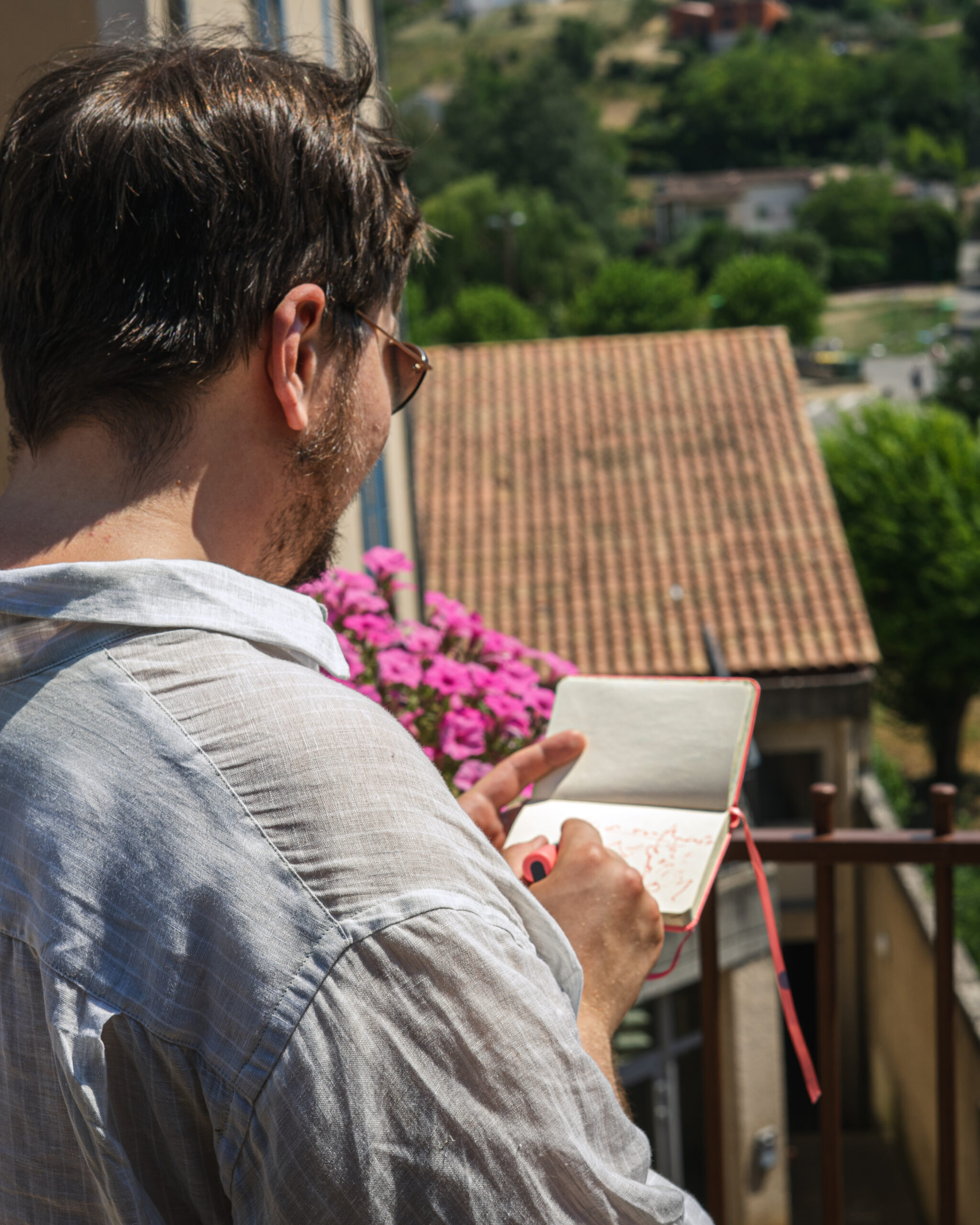
Every painting begins as a conversation in my sketchbook. Using acrylic pens, I capture the essential lines of a landscape or the skeleton of a tree. The initial sketch works as the foundation when I move to a larger surface.
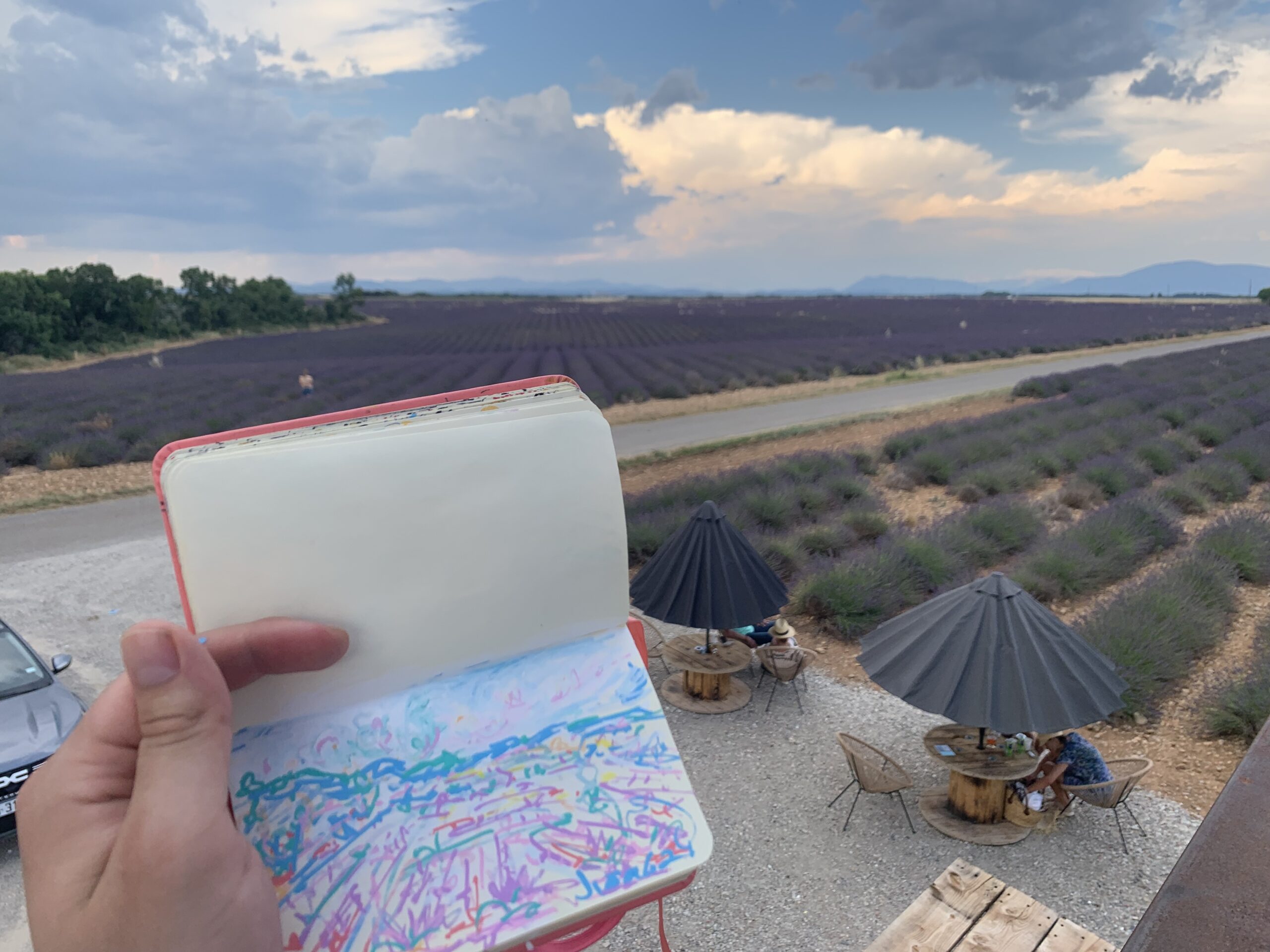
Valensole, France
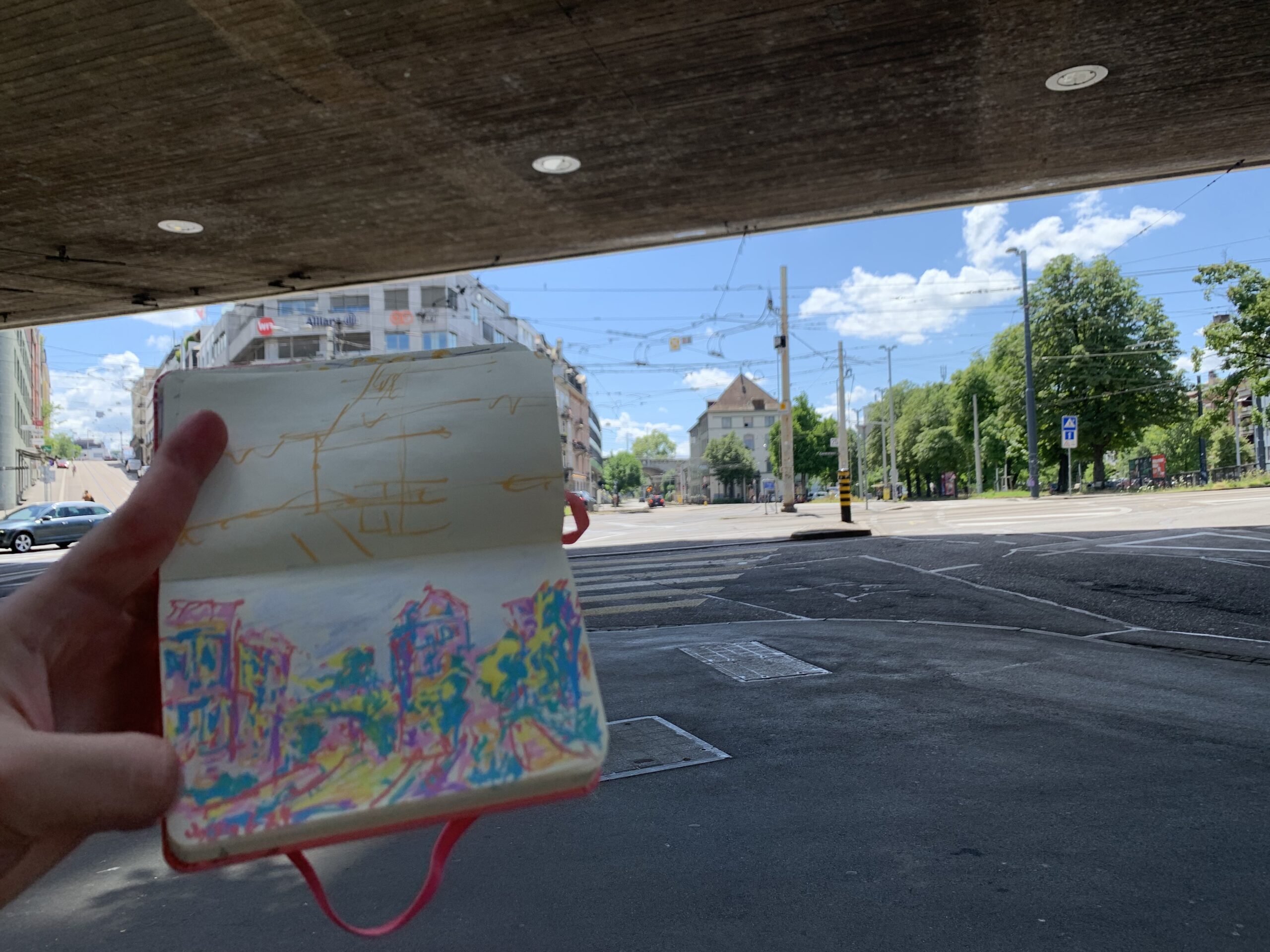
Basel, Switzerland
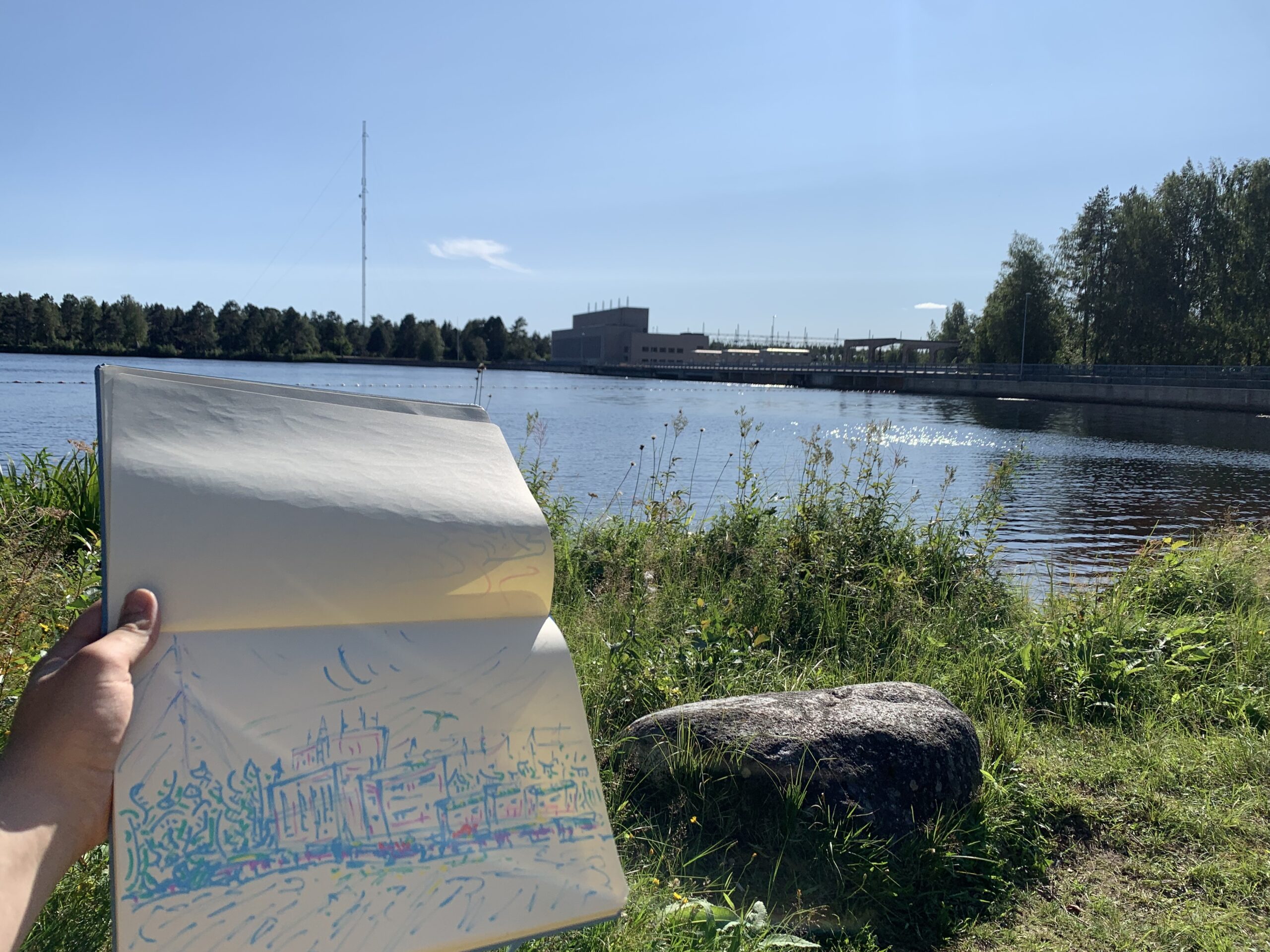
Muhos, Finland
I experiment with different painting mediums, but I find oil paint the most versatile and expressive. Oil sticks are another favorite medium of mine. Oil sticks can be applied directly to the canvas and I like to blend the paint with my fingers. Oil-based paint stays wet for a longer time, allowing me to shape interesting textures that make the painting come alive.
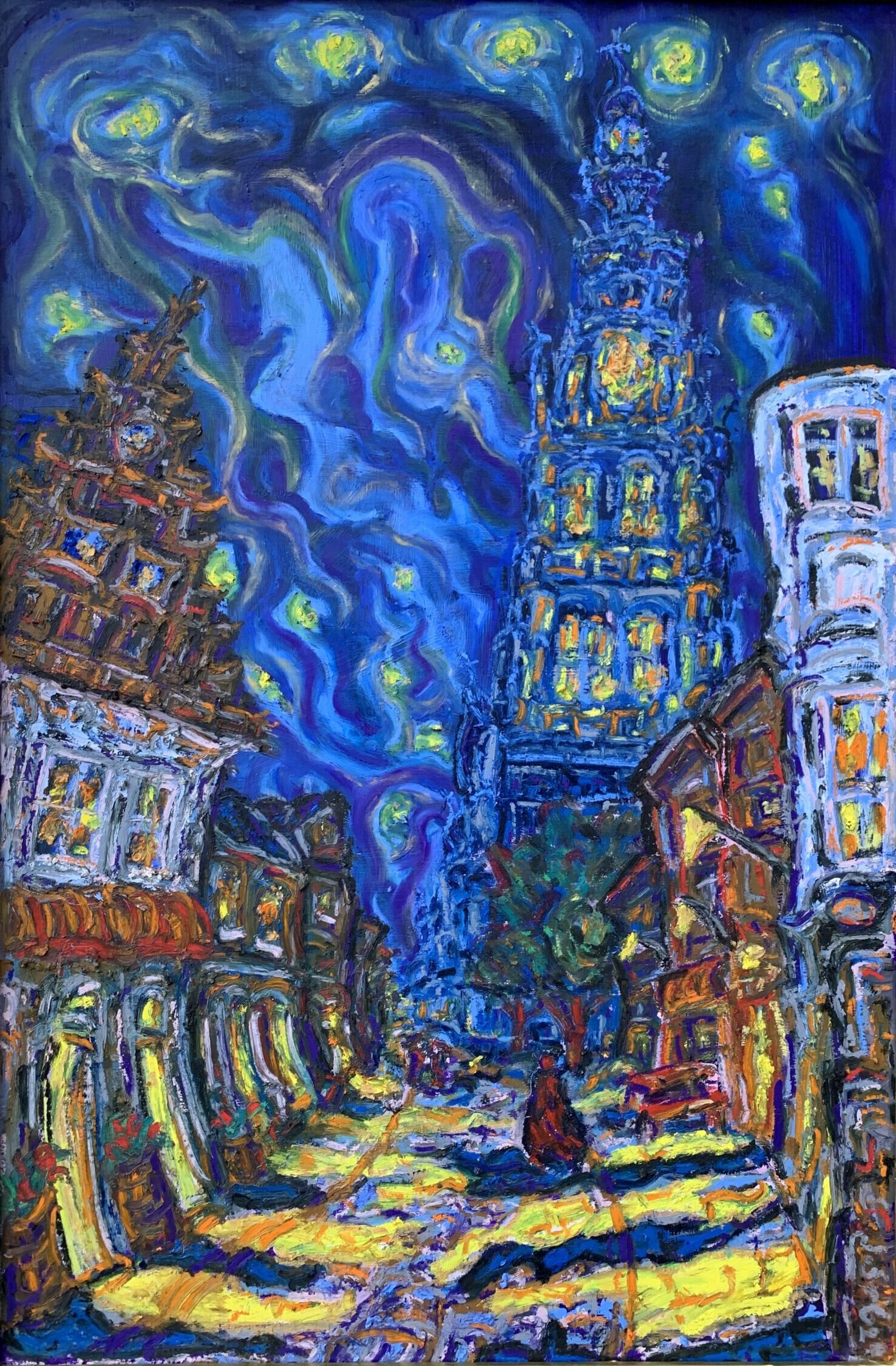
Starry night in Breda, 90 x 60 cm
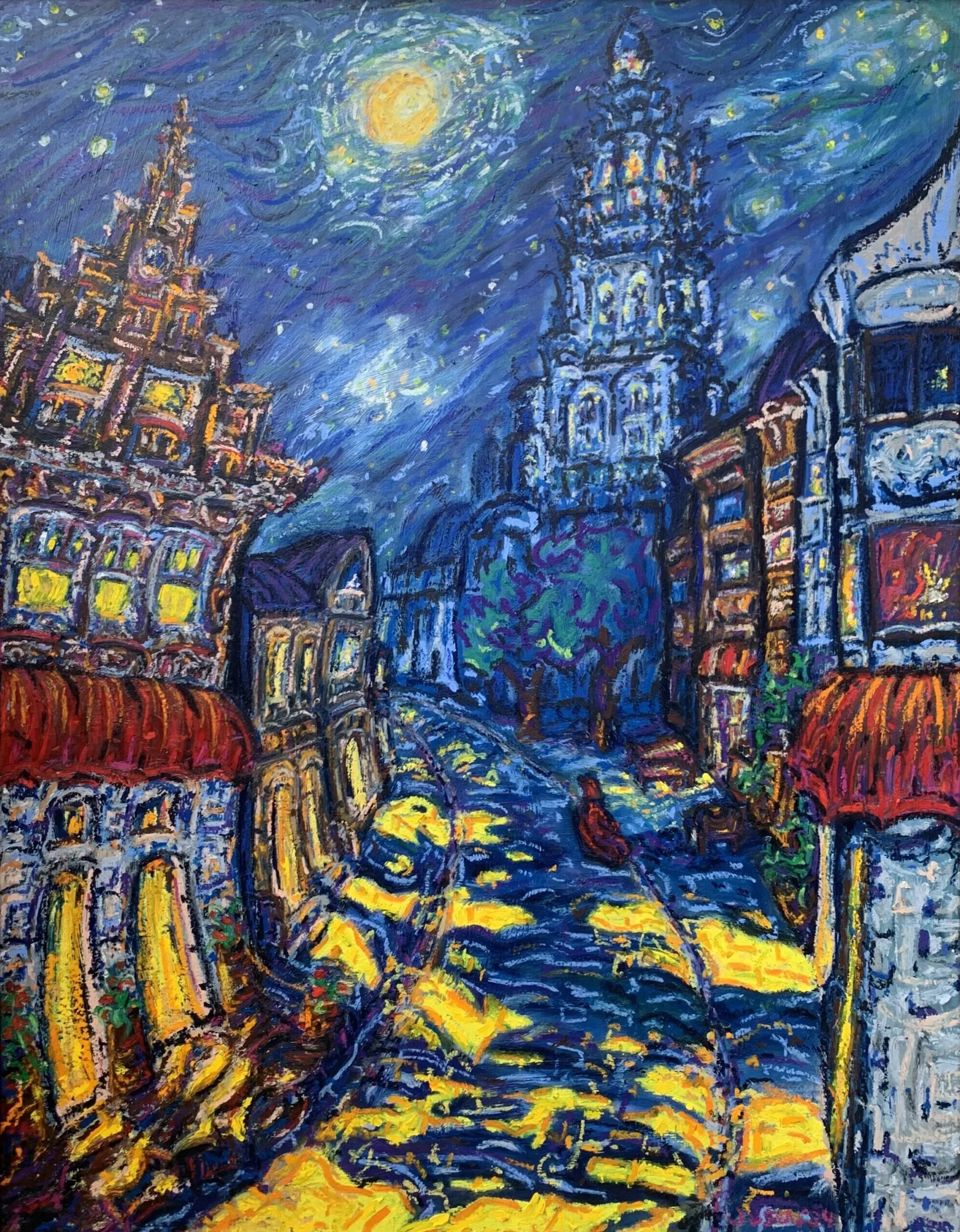
Starry Night in Breda, 106 x 82 cm
With my favorite painting subjects, I start with a smaller painting and continue making another on a larger surface. The smaller paintings are fast studies where I experiment with color and composition. In the larger paintings I put more thought and effort into making the picture as close as I can to my vision.
The Sous-bois genre
My work explores the sous-bois genre, a specialty of French landscape painting that focuses on the heart of the forest. Rather than painting a forest from afar, the sous-bois genre enters the interior life of the woodland: mossy earth, tangling roots, and rugged tree trunks, where the sky is barely visible and sunlight dapples across branches.
The genre gained prominence in the mid-19th century with the Barbizon School. Vincent and many Impressionists were greatly inspired by this tradition. These artists were among the first to take their easels directly into the forest to paint from life, capturing nature in its most immediate state.
Ukko-Koli, Finland
Plein Air Painting
Equipped with a traditional French easel, I take my paints and canvases into various nature parks across Finland and beyond. I’m not afraid of working in the cold or the rain. I revisit my favorite painting spots at different seasons, studying the shifting atmosphere of time. I try to finish my paintings in a single session, painting wet-on-wet or alla prima to create spontaneous and unpredictable moods in my paintings. I’ve found painting outside to help me visualize the composition and pick the most important objects for a painting.
Nature Matters
Taking a walk in nature boosts your mood, your mind flows better and stress decreases. Scientific studies of nature experience reinforce these thoughts: controlled laboratory studies have found nature to be beneficial for psychological and stress impacts, and to improve cognition: a field experiment compared participants’ cognitive performance after a walk in nature versus urban environments.
Urbanization has made experiencing nature rarer over the past century. Modern life in cities lacks connection to nature and forests; most days are spent indoors looking at screens, while more and more trees are being cut or replaced to satisfy our growing needs.
I’m very lucky to live next to the Kivinokka nature park where I find solace and solitude. The capital city of Finland, Helsinki, overall offers various green spaces with grand and ancient trees which I love to explore and paint as my main subjects.
Vincent Van Gogh as Inspiration
Vincent’s art has been a profound source of inspiration for me, an artist whose unparalleled expression and transformative vision deeply resonate with my own. I was particularly drawn to his expressionistic depictions of nature, especially his portrayal of trees.
Beyond his paintings, Vincent was an exceptional writer whose honest and insightful thoughts can be found in his numerous letters. I have followed in his footsteps, traveling from his birthplace in Zundert, Netherlands, to the sun-drenched landscapes of Arles, France. Seeing these scenes in real life, and then experiencing his works in museums, helped me truly grasp his unique vision. He had the ability to transform a seemingly ordinary moment into something so beautiful, vivid, and full of life.
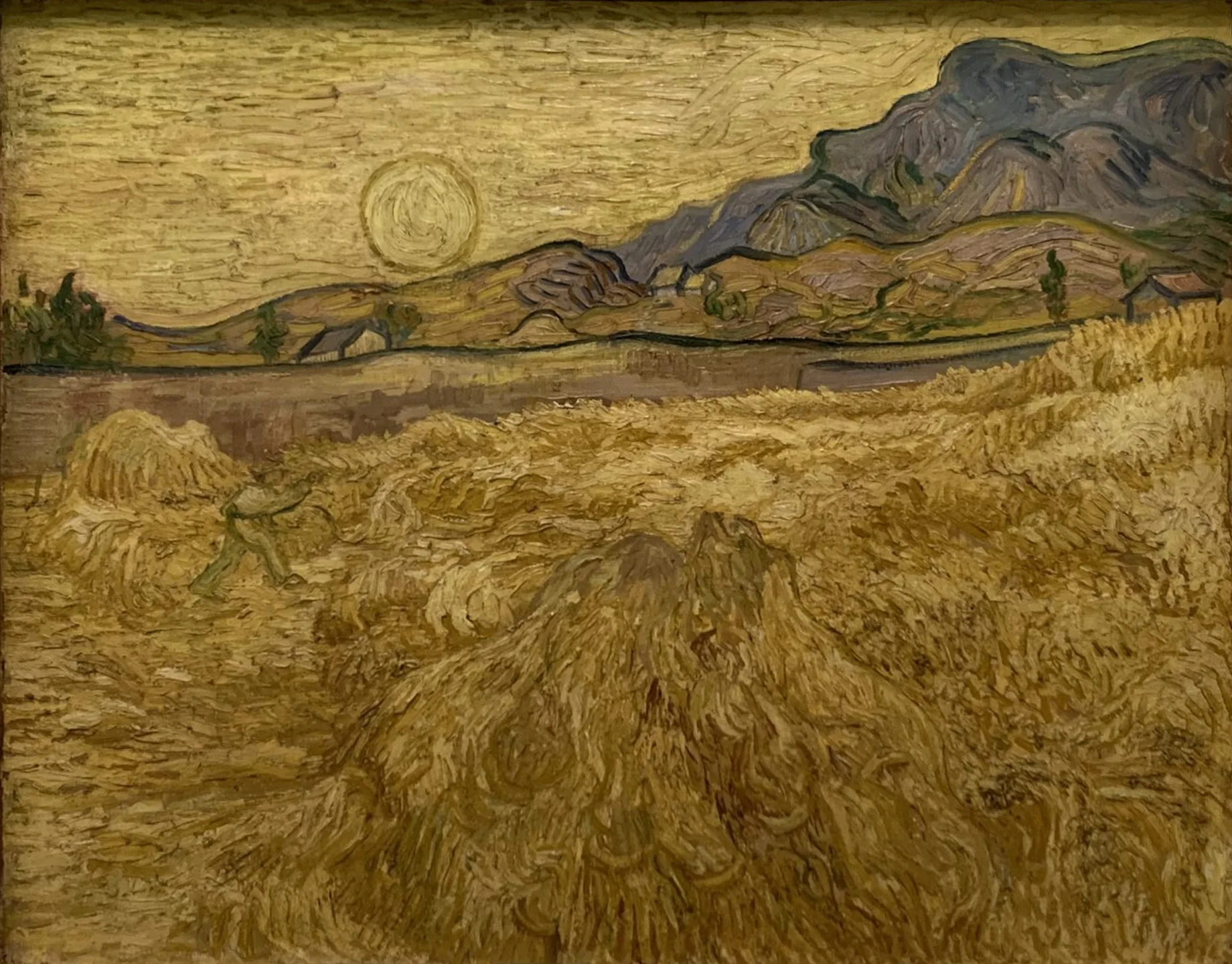
Wheat Field with Reaper and Sun, Kröller-Müller Museum, Netherlands
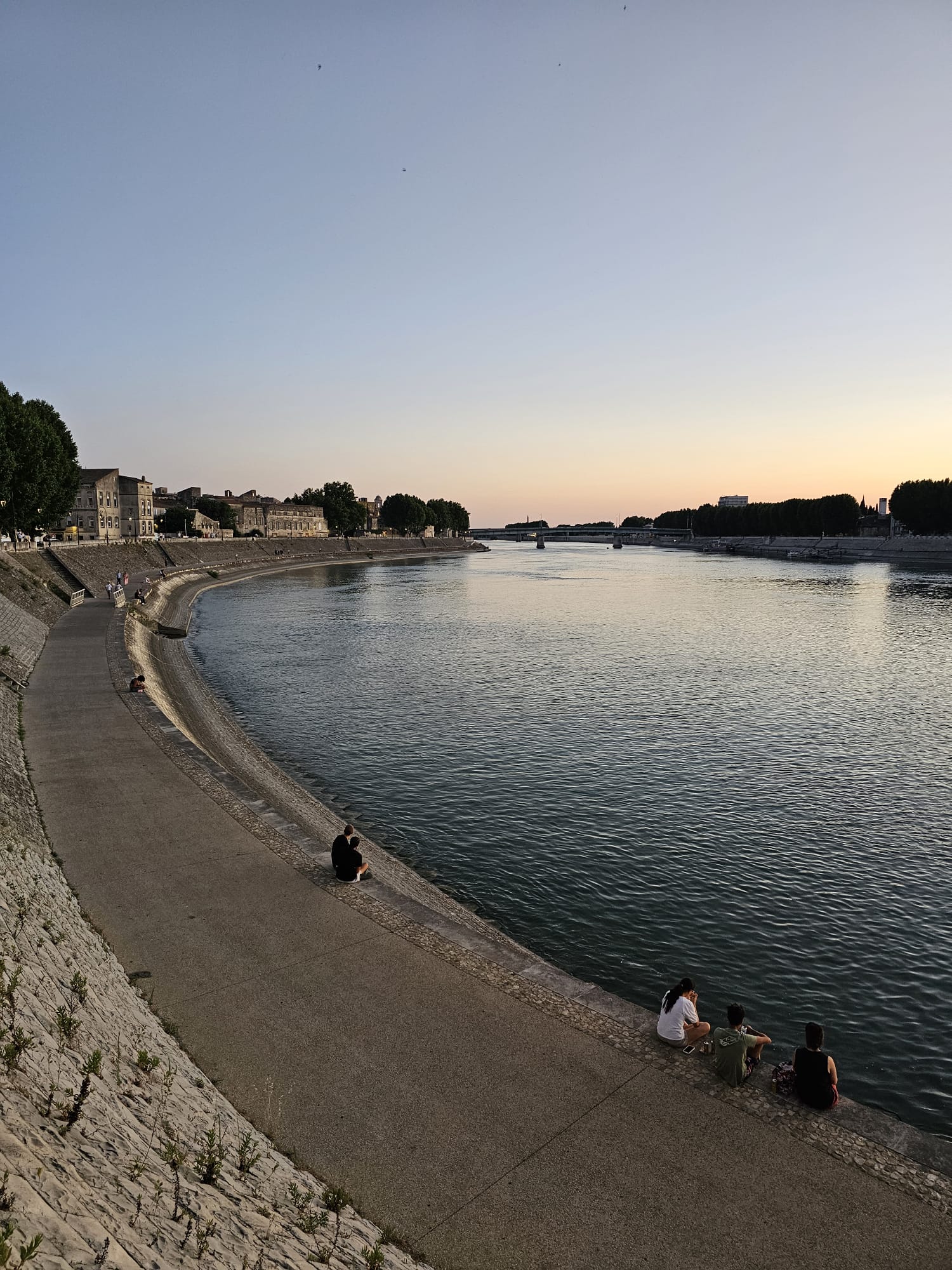
River Rhône, Arles
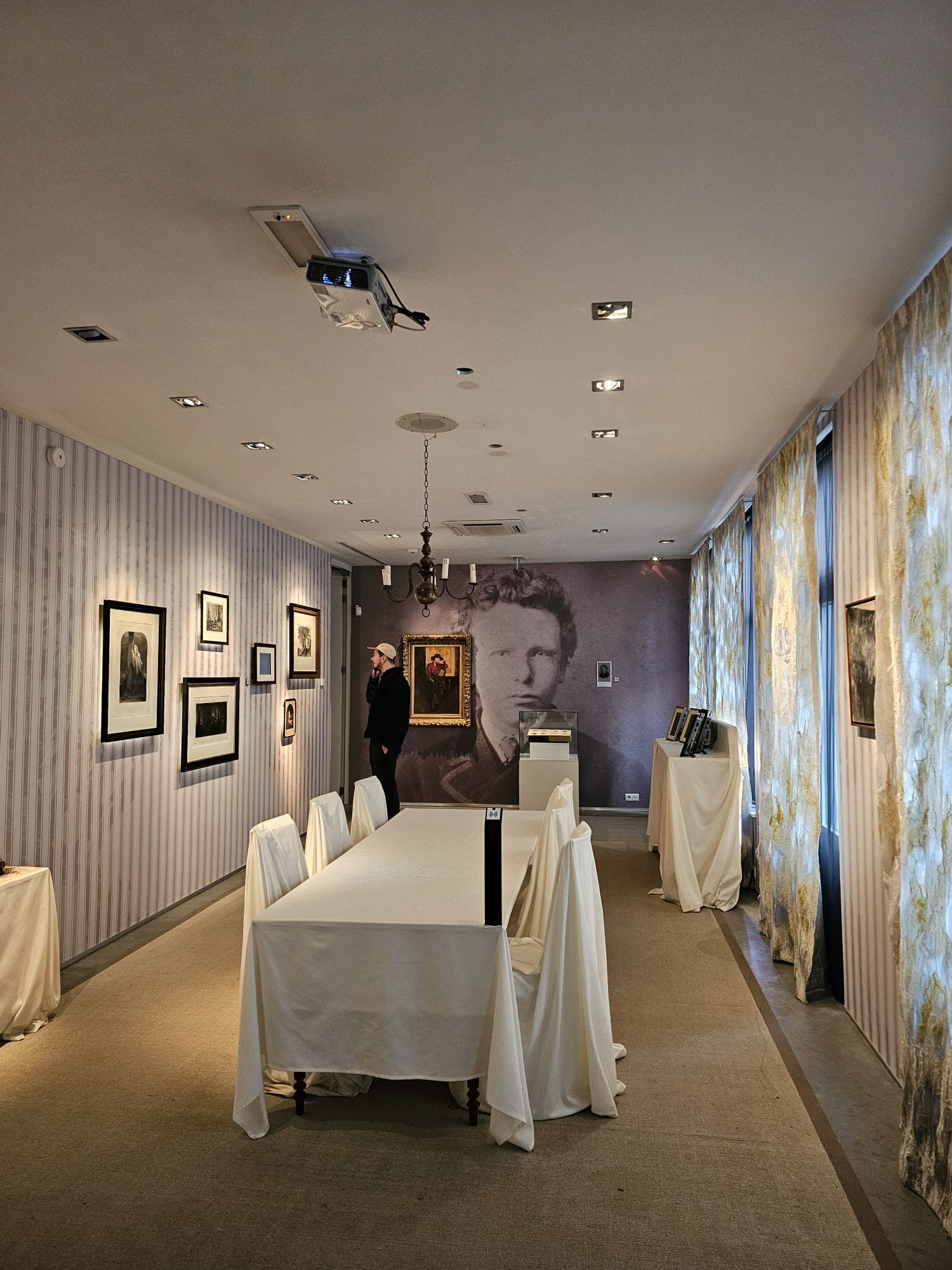
Vincent Van Gogh Huis, Zundert
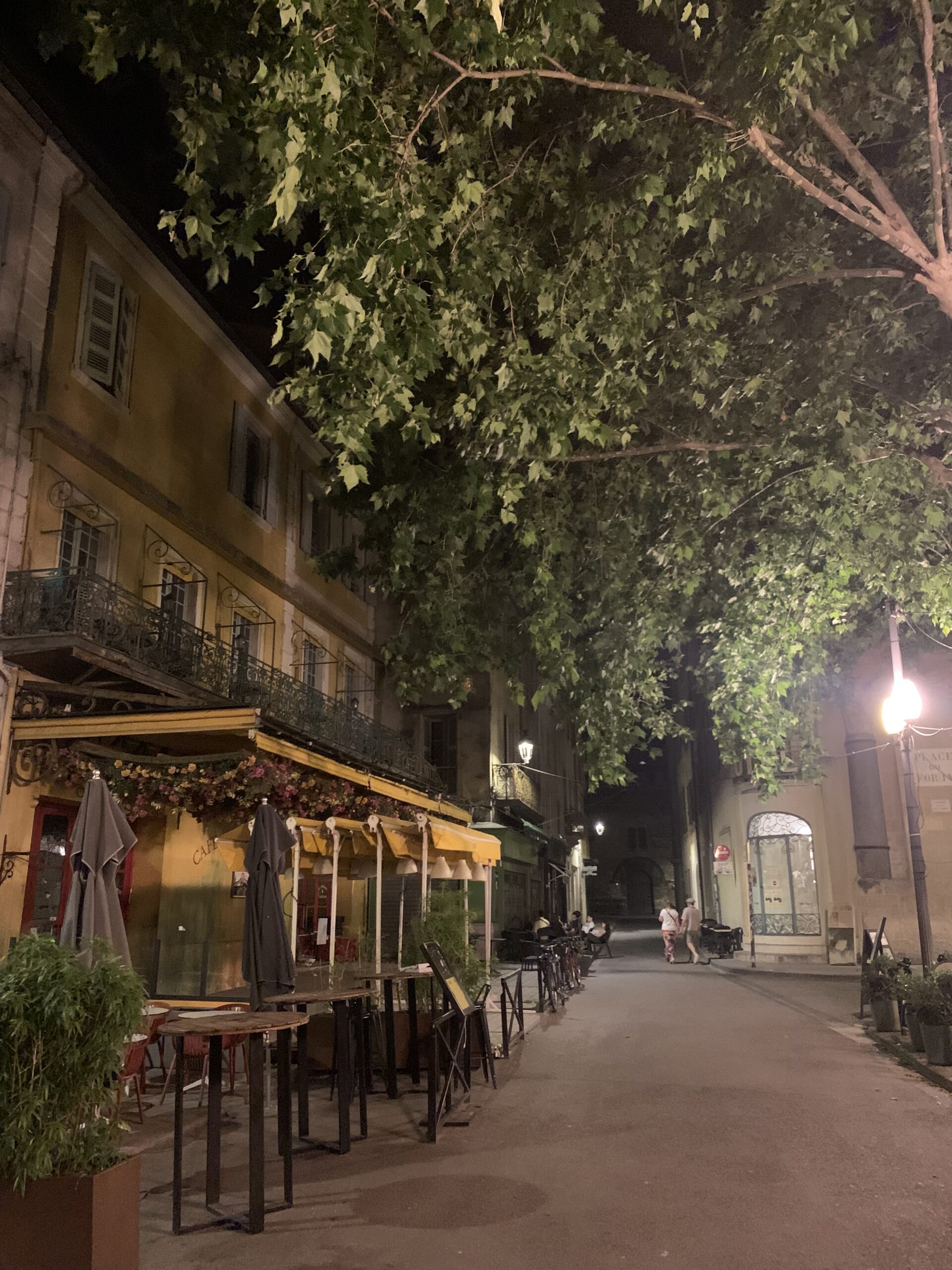
Place du Forum, Arles
Art as a way of living
I’m greatly inspired by Friedrich Nietzsche’s writings, and I’ve learned that art is not just an aesthetic phenomenon, but actually, living our lives, or just being, is a work of art. We must overcome the social conformity to create our own paths in life that lead to self-fulfillment and happiness.
For me, I’ve learned that painting is an integral part of my path. It’s a way for me to understand my own thoughts and compete against myself in a healthy way. Through painting, I’ve gained a more intimate understanding of the world, feeling its true nature rather than just experiencing its surface.
It felt challenging to present my paintings publicly at first, but I’ve learned that the more personal a piece is, the more it resonates with others. In today’s society, we’re all categorized and boxed into roles. Each person’s intellect is unique, waiting to be molded into something great. There’s no such thing as a left-brained or a right-brained thinker or personality.
Like the eternal cycle of blooming flowers and changing seasons, we always have the resource of life. Please, venture forth into the world and discover your own potential.
As Nietzsche wrote in Thus Spoke Zarathustra,
“Man in his present state, weighed down by his bad conscience, is truly a sick animal, but perhaps this condition is like pregnancy, a sickness heavy with the future possibilities; Man is such incomplete, transitional creature that it almost seems as if nature had some future plans for him, as if man were not an end but only a way, an episode, a bridge, a great promise.”
as summarised by Ingrid FortichSee the paintings
Every painting is a one-of-a-kind original, signed by hand and shipped from Finland.
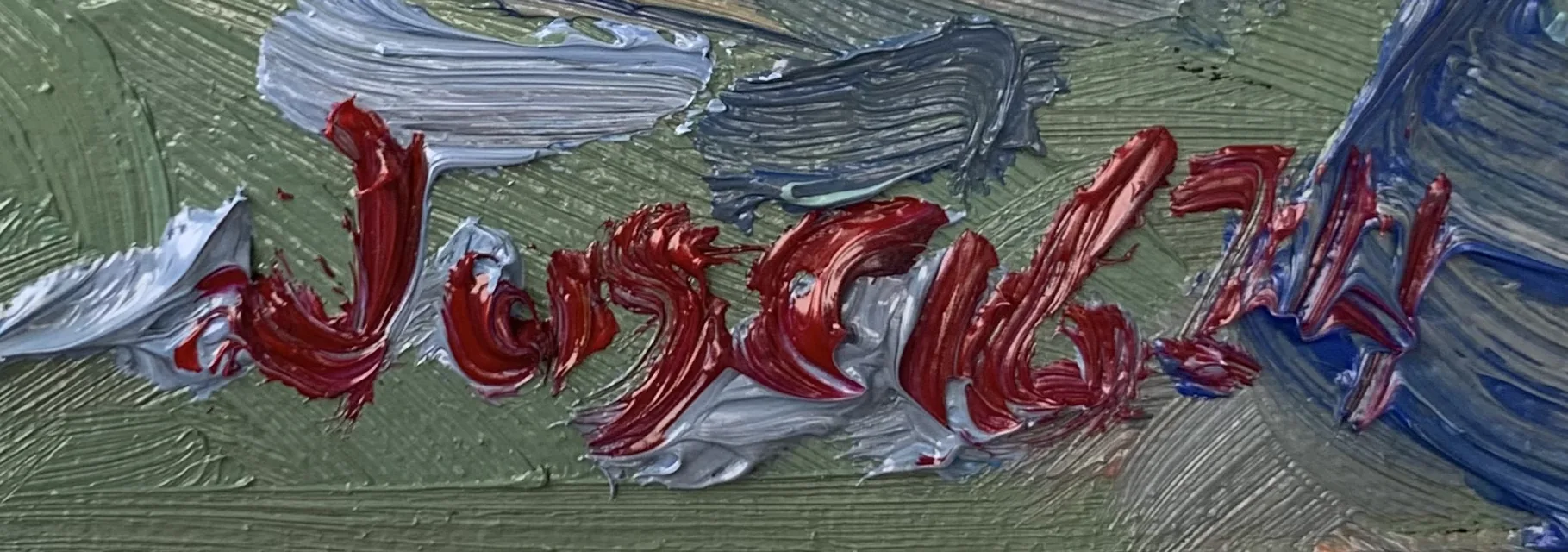
Expressionistic paintings from Finland
Newsletter
Get all the latest news and info sent to your inbox.
Enon Keltainen Koulu, Alapappilantie 6 B, 81200 Joensuu
© 2026 Jusa624 Studio
